Japan’s $21 Billion Chip Plan Targets Two New York Factories
The projects could add about 1.8 million wafers of annual U.S. capacity, but only the first factory has a 2029 target.
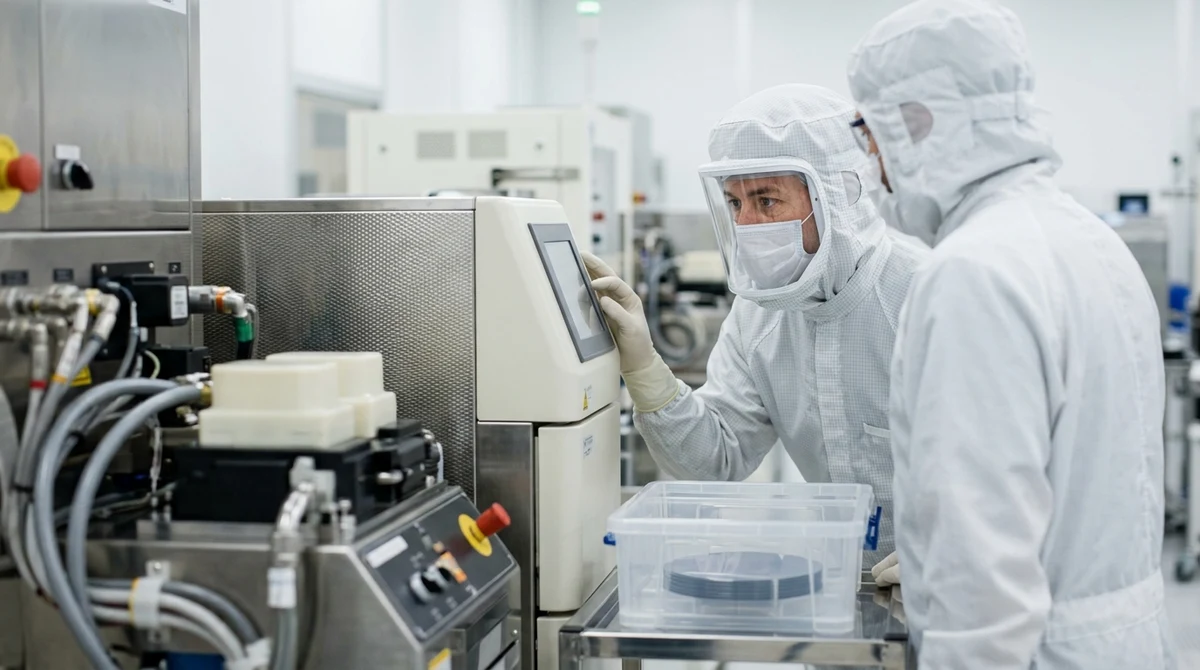
GlobalFoundries announced on October 14, 2026, that Japan plans to provide up to $21 billion for two chip factories at its Malta, New York, site. The first is targeted to open in 2029; the second has no public opening date.
Japan would provide the funding, while GlobalFoundries would supply the technology and operate the factories. The company outlined an initial investment of about $10 billion for the first facility and a further investment of about $10 billion for the second.
What the factories could add
GlobalFoundries’ estimates point to a substantial increase in U.S. manufacturing capacity, though not one that arrives immediately:
- The first factory could add about 900,000 300-millimeter wafers of annual capacity when fully operational.
- The second could add roughly the same amount, bringing the combined projected capacity to about 1.8 million wafers a year.
- The company projects about 27,000 construction and ecosystem jobs, plus more than 1,000 skilled manufacturing jobs in New York’s Capital Region.
These are company projections, not capacity or jobs already delivered. The first factory is not expected to open before its 2029 target, and the second has no announced schedule.
A broader bet than data centers
GlobalFoundries says the factories will serve automotive, industrial and connected-infrastructure markets. The investment is not described as a dedicated artificial intelligence data-center project, even as demand for chips used in data centers and artificial intelligence grows.
Separately, GlobalFoundries said it agreed with the U.S. Commerce Department to redirect $955 million from its existing CHIPS and Science Act award to silicon photonics, silicon-germanium and advanced packaging work at sites in New York and Vermont. Under a separate agreement, the department would receive about a 4% equity stake in the company. Neither arrangement is the funding Japan plans to provide for the two new factories.
Construction is the next test
GlobalFoundries expects to break ground on the first factory later in 2026. The company says the site is permitted and can use existing infrastructure.
For U.S. customers, the practical measure will be whether construction produces usable capacity. The plan sets out a 2029 target for the first factory, but the timing of the second remains unknown.
The plan could add about 1.8 million wafers of annual U.S. capacity, but both that figure and the job estimates depend on the factories being built and becoming operational.