Microsoft’s Maia 300 Promises 40% More AI Output, but the Benchmark Is Unclear
Microsoft expects multi-gigawatt Maia deployments from 2027. Its projected efficiency gain could ease power constraints, but the comparison systems remain unnamed.
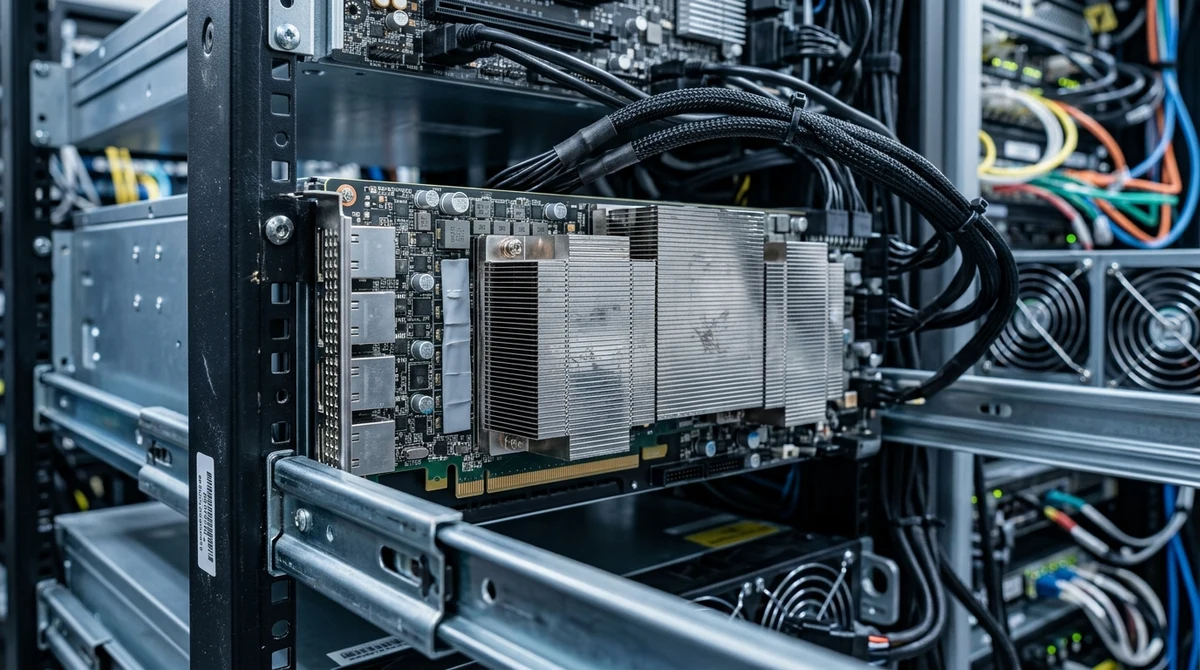
Microsoft plans to make its Maia chips a mainstay of the systems that run AI across its products and services. Multi-gigawatt deployments are expected to begin in 2027. The goal is to generate more AI responses from each megawatt of electricity, which could affect the cost and capacity of services such as Copilot.
On October 12, Microsoft said its forthcoming Maia 300 chip is designed for inference, the computing that generates answers after an AI model has been trained. The company says the chip targets long-context reasoning, conversational AI and multi-step agent tasks.
A 40% efficiency projection, without named benchmarks
Microsoft projects Maia 300 will deliver 40% more tokens per megawatt than leading GPU-based systems. Tokens are the pieces of text an AI model processes and produces. If the projection holds in real-world use, the chip could help Microsoft serve more requests without expanding electricity capacity as quickly.
The 40% figure is Microsoft’s projection, not an independently verified result, and the company has not named the systems used for comparison.
Reuters also reported that Microsoft could deploy more than one million chips in 2027. That is a reported plan, not a confirmed delivery total. Reuters published the figures on October 12.
More accelerators per rack, more power per rack
Rack specifications offer another point of comparison. Reuters reported these figures:
- A Maia 300 rack is designed for 96 accelerators and about 167 kilowatts of power.
- Nvidia’s GB300 rack contains 72 graphics processing units and uses about 142 kilowatts.
A Maia rack is designed to use more power, not less. But these figures describe different systems, so rack power alone cannot show which one delivers cheaper AI. Microsoft’s per-megawatt claim, the workloads tested and real-world utilization will matter more than chip counts or rack power in isolation.
What could change for cloud customers?
Building its own inference hardware could give Microsoft more control over how it serves AI and how much capacity depends on outside accelerators. The company says Maia will become its primary inference system. It has not said the chip will replace all third-party hardware or that customers will get lower prices.
The key test will be whether Maia 300’s projected efficiency advantage holds up against named systems in production.
Production deployments are expected to begin in 2027. Measured performance, disclosed costs and actual capacity will help show whether Maia 300 changes the economics of running AI, or whether the 40% figure remains a projection.