UK’s £300m Biosecurity Lab: What AI Firms Are Actually Providing
The plan pairs £100m in public funding with up to £200m in company support. Most of that private contribution is not cash.
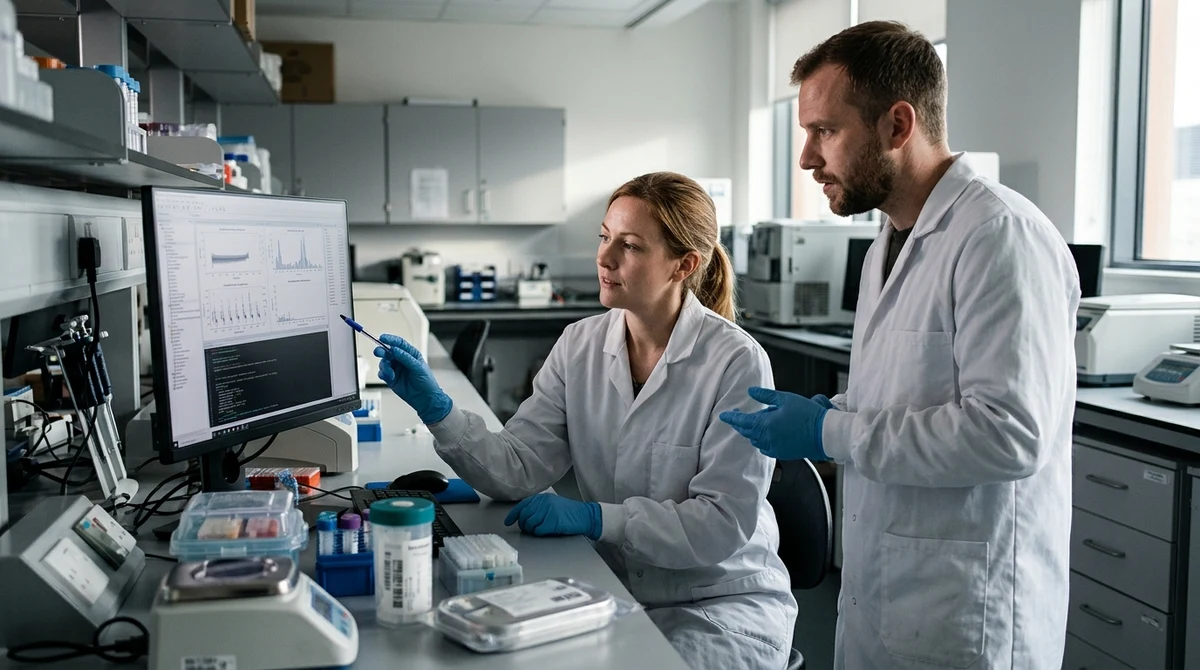
The £300 million headline combines £100 million in public funding with company commitments largely made up of computing, model access and technical support.
The UK government announced its AI Biosecurity Lab on October 24, 2026. The independent non-profit is intended to use advanced AI to detect biological threats sooner and help develop vaccines, treatments and other countermeasures.
The companies’ up to £200 million in support is not described as £200 million in cash. OpenAI committed £100 million in computing capacity and model credits, plus trusted access to relevant models. Anthropic pledged up to £100 million in model credits, trusted model access and technical support.
What the headline figure includes
The £300 million total combines the government’s £100 million with the companies’ contributions. The government also says the lab will work with Google DeepMind and UK life-sciences company Basecamp Research.
Reuters separately reported that the government had set out an £800 million AI security funding package. That is a wider figure, not the lab’s stated budget.
Public agencies and health oversight
The lab will work with the UK Health Security Agency, the Animal and Plant Health Agency and the Defence Science and Technology Laboratory. It is also expected to collaborate with health, academic, industry and international partners.
The Medicines and Healthcare products Regulatory Agency will work with the lab on preparing for health emergencies and informing the regulation of AI-designed medicines. That puts the project close to two practical questions: how to prepare for health threats and how to assess medicines developed with AI.
How the lab will be governed
The Cabinet Office says the lab will be an independent non-profit with a scientific advisory committee drawing on expertise from academia, industry and the third sector. Details of the committee are still to come.
ITV News reported on October 23 that the UK planned to establish the lab. The government’s October 24 announcement sets out its mission and partners, but not the committee’s membership or the rules for trusted access to powerful AI models.