Marvell’s $115 Billion Lumentum Deal Puts AI’s Data Links in Focus
The $115 billion all-stock deal gives Lumentum holders 4.5 Marvell shares each, but approvals mean the AI connectivity tie-up may not close until 2028.
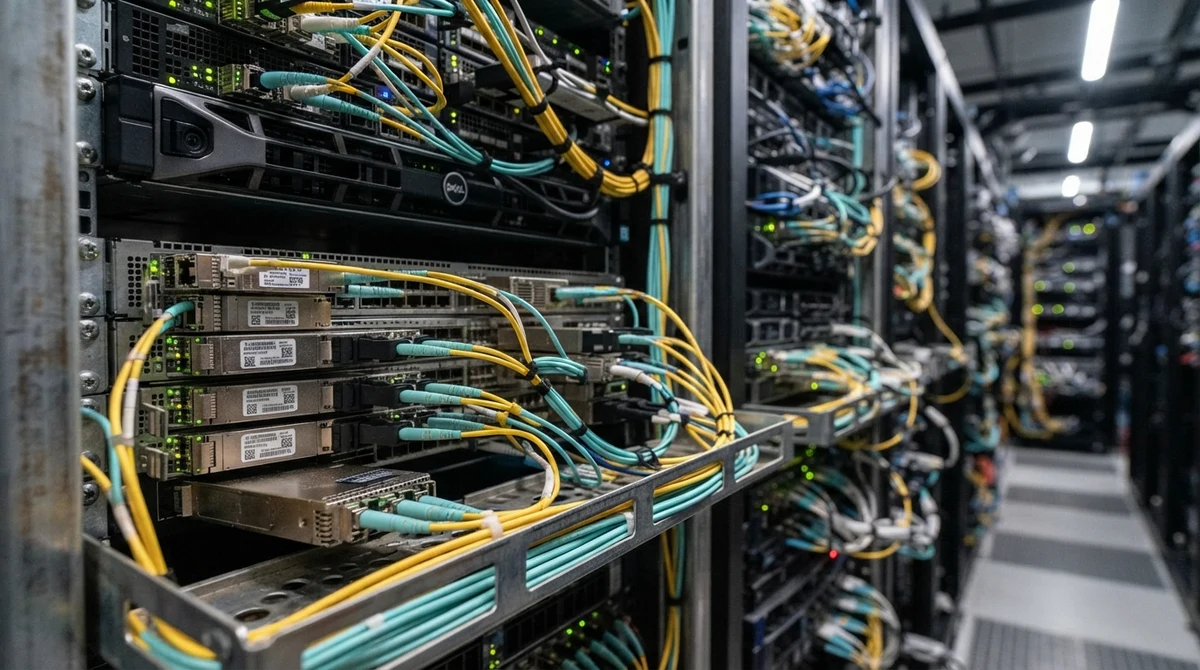
Marvell agreed on November 2, 2026, to acquire optical-components maker Lumentum in an all-stock deal with an implied enterprise value of $115 billion, Reuters reported. The proposed merger brings together chips and optical technology used to move data through AI data centers.
The deal is a bet that faster AI computing will need faster connections, but shareholders may wait until 2028 to learn whether it closes.
What shareholders would receive
Under the agreement, Lumentum shareholders would receive 4.5 Marvell shares for each Lumentum share. The companies put the implied value at about $1,132 per Lumentum share, a 23.9% premium to its unaffected closing price on October 28, before deal speculation began.
- The offer is a share exchange, not a fixed cash payment.
- After closing, Marvell shareholders would own about 67% of the combined company, with Lumentum shareholders holding about 33%, according to the joint announcement.
The bet is on moving data
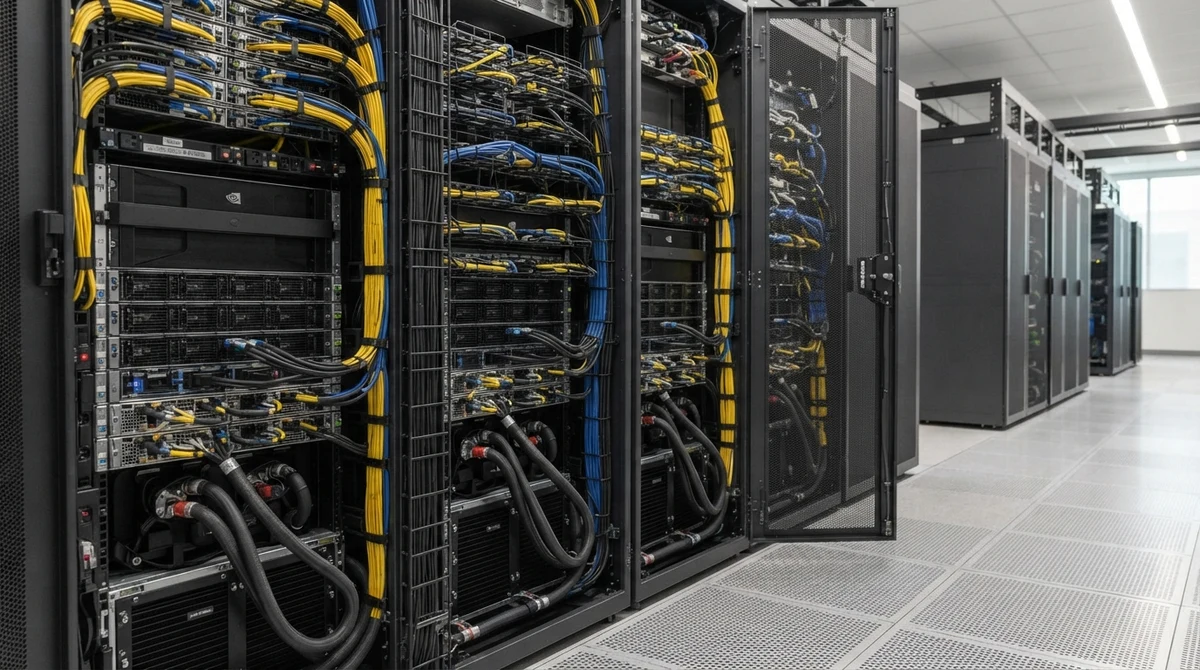
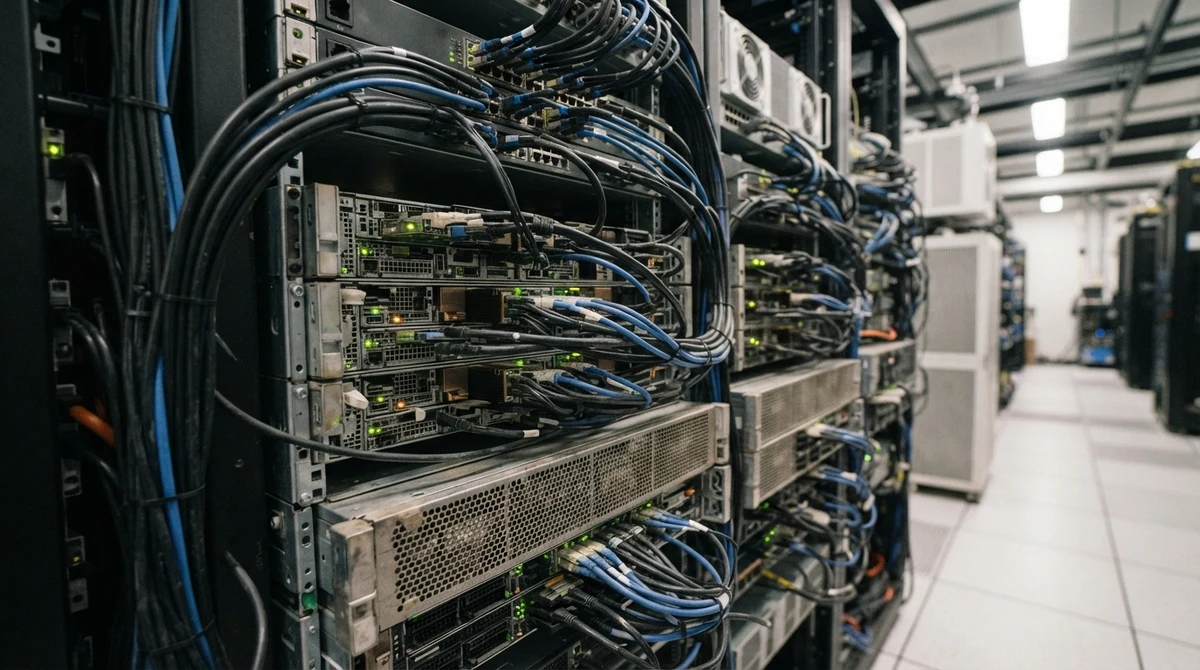
AI data centers move large volumes of information between processors and across networks. Marvell supplies chips and electrical-interconnect technology. Lumentum makes optical components, including lasers and transceivers that carry data over fiber.
The companies say combining those technologies could help customers design connected systems as a whole. They also point to a shift toward optical links as data demands rise and copper connections face physical limits. These are the companies’ strategic claims, not a guarantee that demand or savings will meet their forecasts.
Costs, approvals and a long wait
Marvell and Lumentum project more than $1 billion in annual run-rate cost synergies. That is an estimate, not savings already achieved. The deal still needs approval from both companies’ shareholders and regulators.
The companies expect the transaction to close in the first half of 2028. The long timeline leaves time for approvals and integration planning, but also means the proposed tie-up is not yet a combined business.
For investors, the core question is whether AI infrastructure demand will support both computing chips and the optical links that connect them. The companies’ projected savings remain unproven until the deal closes and integration begins.