US Export Rule Reaches Remote Access to Advanced Computing Power
Effective November 19, the rule covers some overseas data-centre access and specified chip transfers in five countries. The licensing test depends on capacity, destination and end user.
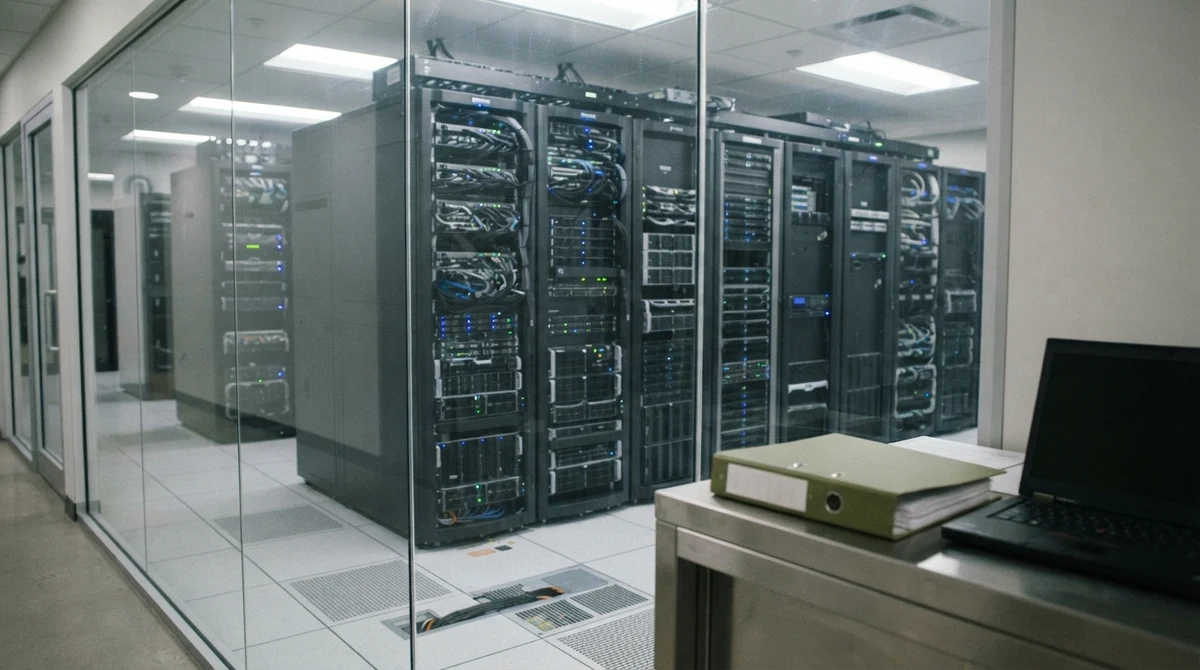
A US export-control rule effective November 19 reaches beyond physical chip shipments. It requires licences for some remote access to advanced computing power through data centres, including when restricted customers use linked facilities.
For cloud providers, the key question is no longer just where the chips are located. Their customers and the computing capacity they can access may also trigger licensing duties.
When remote computing needs a licence
The rule covers specified advanced computing items used in data centres. A licence is required when a provider knows that a data centre, alone or linked to others, will provide more than 12 million units of aggregate total processing performance to or for companies headquartered in Macau or destinations in the US government’s Country Group D:5. China is among the covered destinations.
The restriction can also apply when a customer outside those destinations uses the computing capacity to train models for a covered company. That means providers must assess who will use the service and for what purpose, not just check the chip buyer or shipping destination.
Existing operators have 90 days
Data centres that were already providing covered computing access before the rule’s publication have 90 days from its effective date to obtain a licence if they want to continue. This is a transition period for qualifying existing services, not a blanket exemption for every operator or customer.
The rule also requires licences for specified advanced semiconductors exported, re-exported or transferred within five countries:
- Indonesia
- Malaysia
- Singapore
- Thailand
- Brazil
Applications are reviewed case by case. An exception applies to qualifying transactions for US-headquartered end users or ultimate parent companies when exporters meet the rule’s reporting requirements.
Why remote access matters
A company barred from buying certain chips could seek computing capacity from hardware installed elsewhere. The new rule targets some such access when the technical threshold and restricted end-use conditions are met. The Associated Press reported that the measure is intended to stop restricted customers from using overseas data centres to access advanced US computing technology.
The rule does not require a licence for every overseas data-centre service or every advanced-chip shipment worldwide. Its requirements depend on the covered equipment, destination, computing capacity and end user.
For cloud providers and chip suppliers, that makes customer screening and the location of linked computing resources central to compliance. The rule’s 90-day transition applies only to qualifying services already operating before publication.