AI Flags a 97-Amino-Acid Antimicrobial Candidate. Lab Tests Come Next
The bacteriocin has computational and genomic clues behind it, but only laboratory tests can establish whether it works against bacteria and is safe.
Google DeepMind said on October 15, 2026, that its Antigravity research workbench helped identify a 97-amino-acid peptide candidate that is now undergoing laboratory validation. The peptide may act against bacteria linked to respiratory infections, but it is not a proven antibiotic or treatment.
The search shows how artificial intelligence can help scientists narrow large protein databases to candidates worth investigating. But predictions cannot establish whether this peptide kills bacteria in experiments or whether it is safe.
How the search narrowed down
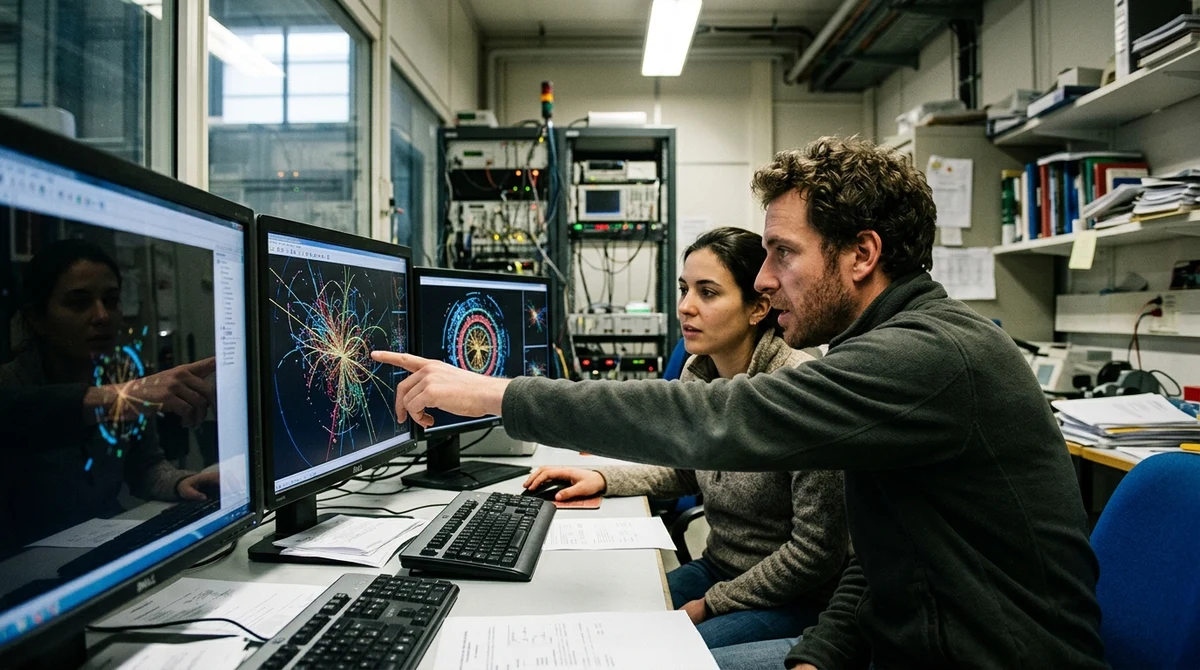
In its walkthrough, DeepMind described searching proteins associated with Streptococcus pseudopneumoniae for antimicrobial peptides. The team used ProtNLM, a model that predicts protein function from amino-acid sequences, to examine entries in the UniProt database.
The workflow prioritized a bacteriocin, a type of peptide produced by bacteria. The candidate is 97 amino acids long and belongs to the Lactococcin 972 family. DeepMind said its predicted structure and nearby genes also support the possibility that it is part of an antimicrobial system.
The researchers checked sequence similarities against reviewed protein records and compared the predicted structure with known structures. Those checks provide computational, structural and genomic support. They do not prove the peptide is active against bacteria.
What laboratory tests must establish
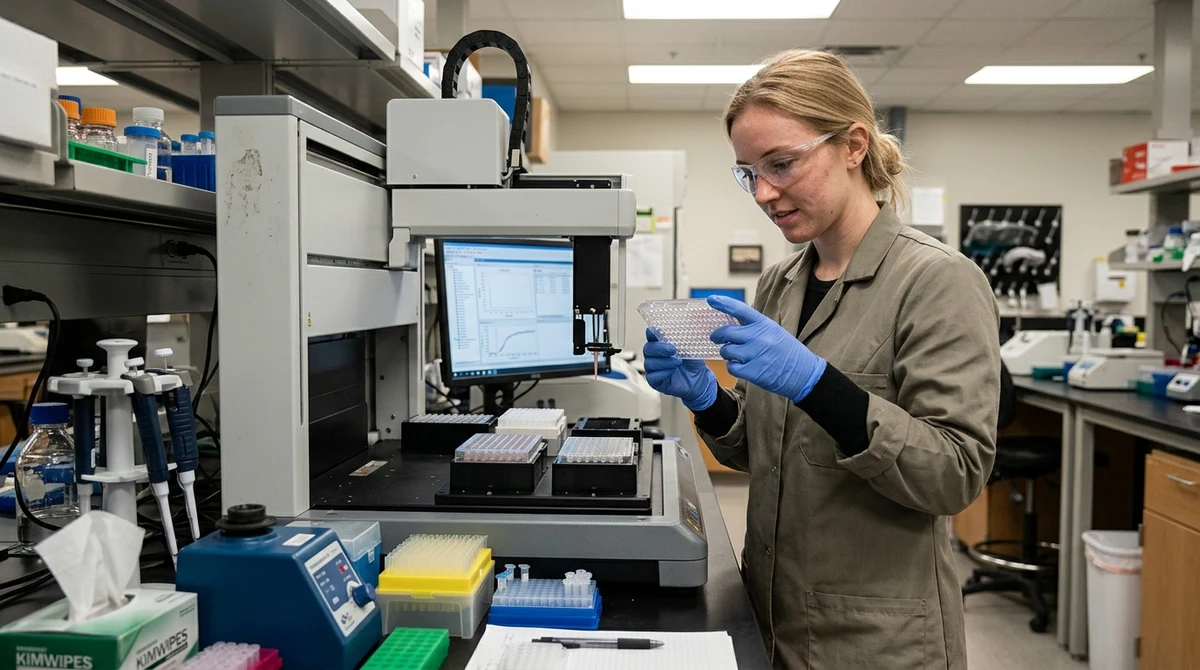
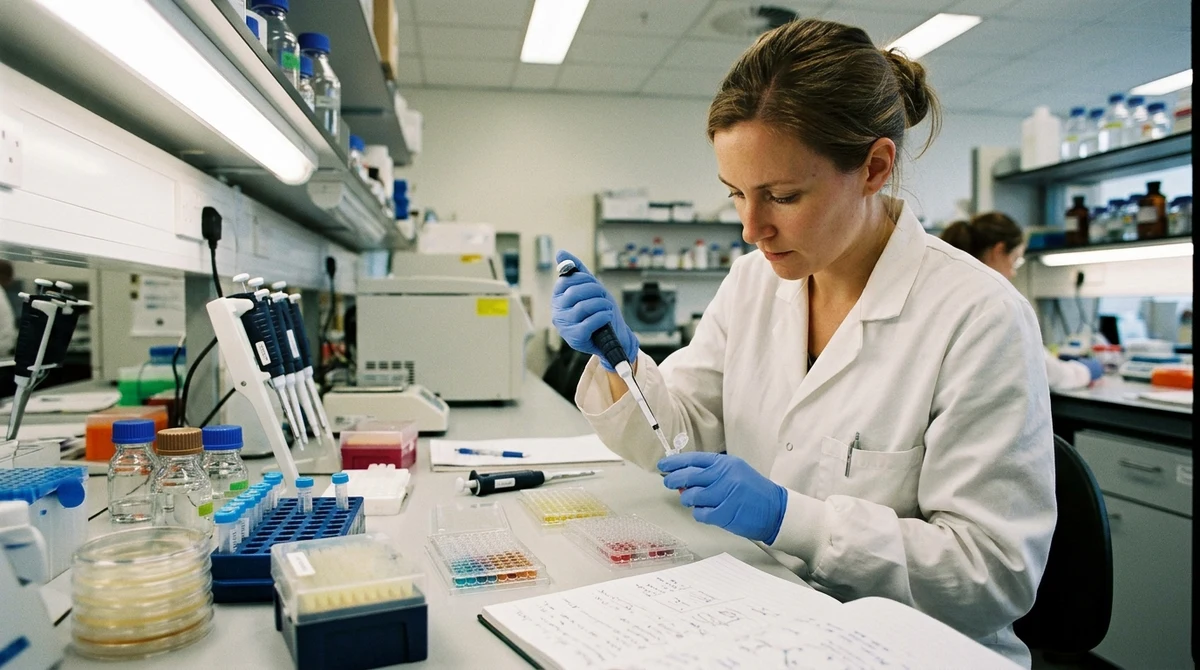
DeepMind said this candidate and other leads from the workflow are undergoing wet-lab validation. Tests must assess both antimicrobial activity and toxicity. The account describes a research workflow, not a clinical study or a treatment ready for patients.
The practical value so far is a shorter list for researchers to investigate. Experiments will determine whether this particular candidate merits further development. DeepMind’s October 15 walkthrough reports no experimental results for it.
The AI-assisted search produced a research lead, not a medicine. Whether the peptide works and is safe remains an open laboratory question.