AI Weather Correction Doubled Forecast Skill, but Not Local Certainty
A Nature study reports stronger forecasts two to six weeks ahead. The gains improve odds of broad conditions, not promises about a town’s weather.
A machine-learning correction improved forecasts of temperature, precipitation and atmospheric pressure two to six weeks ahead, according to research published in Nature on October 14. In the researchers’ tests, it doubled the European Centre for Medium-Range Weather Forecasts’ modest subseasonal forecasting skill.
The result sharpens forecasts at a difficult range, but it does not make a month-ahead local forecast certain.
What the correction changed
The method, called probabilistic bias correction, learns from a forecasting model’s past errors. It then adjusts the estimated odds of different weather outcomes. It does not remove the uncertainty that makes forecasts beyond about two weeks difficult.
Applied to the European Centre for Medium-Range Weather Forecasts’ operationally debiased model, it improved results for these shares of the tested targets:
- 91% of pressure targets
- 92% of temperature targets
- 98% of precipitation targets
Those figures describe how often the method improved results in the reported tests. They are not the percentage accuracy of the forecasts. The study also reports that its forecasts led all weather variables and lead times in the centre’s 2025 real-time forecasting competition.
Why weeks three to six matter
The competition assessed global probabilistic forecasts for weeks three and four. It covered near-surface temperature, precipitation and mean sea-level pressure. These forecasts estimate the likelihood of broad conditions. They do not promise the exact weather on a particular day in a particular town.
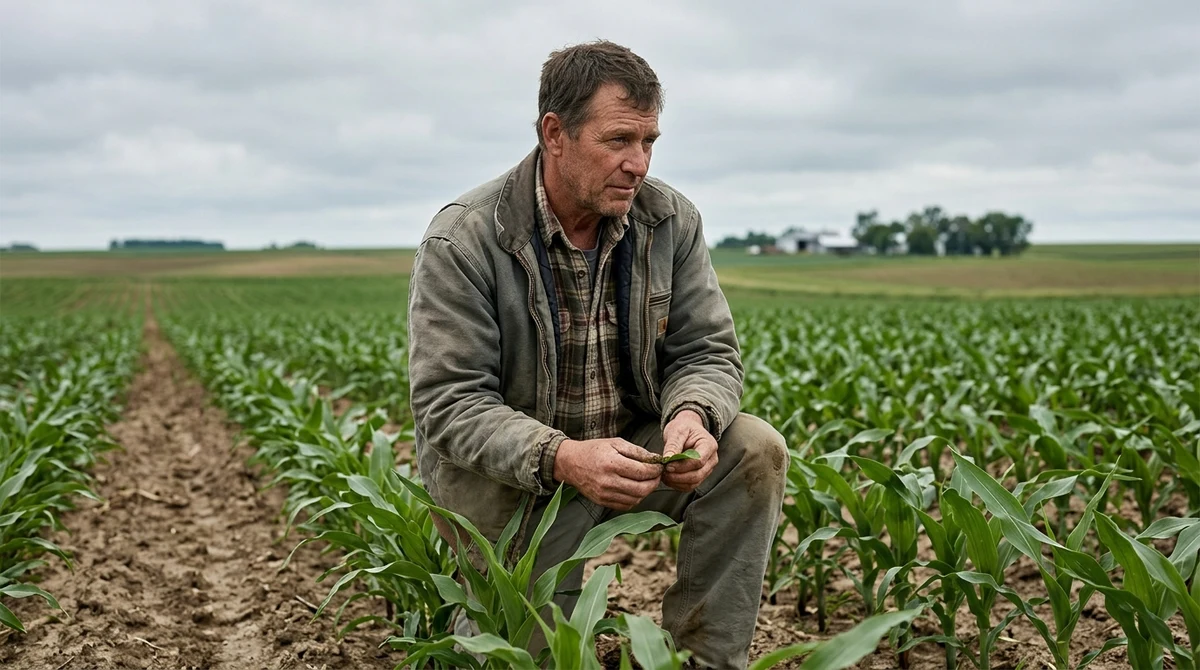
For farmers, better odds of an unusually wet or dry period could help inform planting and water decisions. Energy planners and emergency managers might use improved estimates of broad weather patterns to prepare for demand or potential extremes. These are possible applications, not outcomes guaranteed by the study.
Research, not a month-ahead forecast app
Microsoft Research, whose researchers contributed to the work, says the correction method is also being tested with forecasters in Kenya. The company’s separate weekly forecasting system runs up to six weeks ahead and is in private preview for selected customers. It is not a public forecast product.
The peer-reviewed paper’s competition results and historical evaluations show that correcting recurring model errors can improve forecasts at a difficult range. They do not establish that every region, weather event or individual forecast will improve by the same amount.
The practical advance is sharper probability estimates for organizations planning weeks ahead, not reliable predictions of a specific town’s weather a month in advance.